Don't miss our holiday offer - up to 50% OFF!

Electric Heater Guide 2026: Types, Costs & Safety Tips

Introduction
As energy bills remain a significant concern for UK households, many are turning to an electric heater as a cost-effective way to warm individual rooms without firing up the central heating. Whether you need a quick burst of warmth in a chilly home office or a more permanent solution for an extension or conservatory, choosing the right electric heater can make all the difference.
This guide covers everything you need to know about electric heaters—from the different types available to running costs, energy efficiency, and essential safety considerations.
What Is an Electric Heater?
An electric heater is a device that converts electrical energy into heat, providing warmth to a specific space. Unlike gas central heating, which heats water and circulates it through radiators, an electric heater offers instant, targeted warmth directly in the room where it is placed.
According to the Argos buying guide, a freestanding electric heater can be a great choice to save money and energy, allowing you to heat just the space you need when you need it most.
Types of Electric Heaters
There are several types of electric heaters available in the UK, each with its own strengths and ideal use cases.
Fan Heaters
Fan electric heaters use a heating element and a fan to blow warm air into the room. They heat up almost instantly, making them ideal for providing quick warmth in a small space. However, they can be noisy and may circulate dust.
According to Which?, most electric heaters run at a maximum output of 2kW. Running a 2kW electric heater at full blast for one hour costs around 55p.
Oil-Filled Radiators
Oil-filled radiators are among the most efficient electric heaters for sustained warmth. They heat oil inside sealed columns, which then radiates heat into the room. They take longer to warm up but retain heat well, making them ideal for longer-term use.
The Telegraph tested the Devola 2.5kW Oil Filled Radiator, noting it runs almost silently and comes with a remote control. However, at 2,500W, it costs around 66p per hour to run at maximum power.
Convection Heaters
Convection electric heaters work by drawing in cool air, heating it over an element, and allowing the warm air to rise naturally. They are quiet and provide even heat distribution.
The Dimplex ThermaIQ DXBC22 is a smart convector heater that adapts power use automatically. At full power (2,200W), it costs over 60p per hour to run.
Panel Heaters
Panel electric heaters are slim, wall-mounted units that provide radiant heat. They are ideal for spaces where floor space is limited.
Infrared / Halogen Heaters
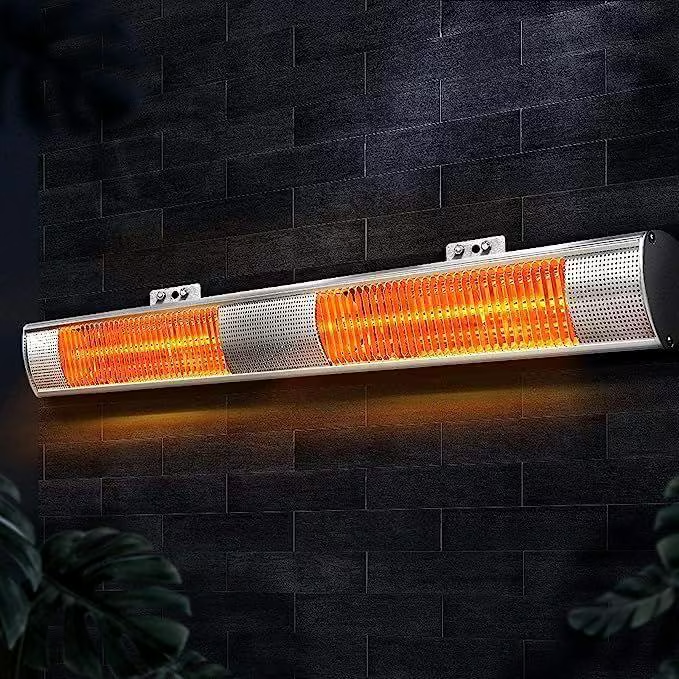
Infrared heaters warm objects and people directly rather than heating the air. They provide instant warmth and are often used in outdoor settings or for spot heating.
Energy Efficiency and Running Costs
The running cost of an electric heater depends on its wattage, usage time, and your electricity tariff. As of 2025, the cost of electricity per kWh is approximately 26.35p.
Running Cost Comparison
| Heater Type | Typical Wattage | Cost Per Hour (approx.) |
|---|---|---|
| Fan Heater | 1,500W – 2,000W | 40p – 53p |
| Oil-Filled Radiator | 2,500W | 66p |
| Convection Heater | 2,200W | 60p+ |
| Low-Wattage Heater | 700W | 18p |
Tips for Reducing Costs
- Use a thermostat – A smart thermostat boosts efficiency by maintaining your set temperature and automatically switching the electric heater on and off when needed.
- Choose low-wattage models – Low-wattage heaters help cut bills while keeping the room warm.
- Use a timer – A programmable timer allows you to set the heater to turn on and off automatically.
- Heat only the room you are in – An electric heater is most cost-effective when used to heat a single occupied room rather than the whole house.
Electric Heater Safety
Safety is paramount when using any electric heater. The UK government has issued product safety reports highlighting risks associated with poorly manufactured heaters. For example, a product safety report on a fan heater sold via Amazon found that the plug pins did not meet the dimensional requirements of BS 1363, presenting a high risk of fire.
Essential Safety Tips
According to West Sussex County Council, you should never leave electrical items plugged in or unattended, especially at night. Other key safety tips include:
- Keep heaters clear – Keep your heater at least one metre away from anything flammable and where it cannot cause trips or falls.
- Check for damage – Regularly check that flexible cables on all electrical appliances are not worn or coming out of the plug.
- Avoid overloading sockets – Never overload an extension lead by plugging in too many appliances.
- Secure the heater – Secure electrical heaters against a wall to stop them falling over, and never use them to dry clothes.
- Consider a risk assessment – For commercial use, a risk assessment is required for the use of heaters. Hazards to consider include fire, electrocution, burns, manual handling, trips and slips, and instability.
- Choose a reputable retailer – Buying from a reputable retailer rather than third-party online sellers ensures products meet UK safety standards.
How to Choose the Right Electric Heater
When selecting an electric heater, consider the following factors:
Room Size
- Small rooms – A low-wattage mini heater is great for small rooms, as they don’t require as much heat.
- Larger rooms – Larger rooms will need an electric heater with at least 2kW of power.
Features to Look For
According to the Argos buying guide, key features to consider include:
| Feature | Benefit |
|---|---|
| Timer | Set the heater to turn on and off automatically |
| Thermostat | Maintains your set temperature and boosts efficiency |
| Energy-saving modes | Help cut bills while keeping the room warm |
| Low noise | Important for bedrooms or workspaces |
| Safety features | Look for safety cut-out, tip-over switch, and cool-touch exterior |
| Frost protection | Emits low-level heat when the temperature drops |
| Oscillation | Distributes warmth more evenly throughout a room |
Price Range
Electric heaters vary wildly in price, from less than £50 to £500 and beyond. How much you spend should depend, above all, on how much you intend to use it.
Frequently Asked Questions
What is the cheapest electric heater to run?
Based on testing, the cheapest heater to run is a low-wattage model, such as the Swan 700W plug-in mini fan heater, which costs around 18p per hour to run. Oil-filled radiators and low-wattage ceramic models are also among the cheapest to run.
How much does it cost to run an electric heater per hour?
The cost varies by wattage. A 2kW heater at full blast costs around 55p per hour. A 700W model costs around 18p per hour.
Can I leave an electric heater on overnight?
It is not recommended to leave an electric heater on overnight or unattended. If you need heat while sleeping, consider using a timer to turn the heater off after a set period.
Which type of electric heater is most energy efficient?
Low-wattage models and oil-filled radiators are among the most efficient heaters. They provide steady, sustained heat without consuming excessive power.
Are electric heaters safe?
Yes, when used correctly. Always buy from a reputable retailer, check for damage, keep heaters clear of flammable materials, and never overload sockets.
Conclusion
Choosing the right heater depends on your specific needs, budget, and the size of the space you want to heat. Whether you opt for a quick-heating fan electric heater, a quiet oil-filled radiator, or a smart convection heater, understanding running costs, energy efficiency, and safety will help you make an informed decision.
As the Energy Saving Trust advises, the most economical approach is to provide warmth precisely when needed—guaranteeing you only pay when essential. By following this guide, you can stay warm and comfortable without breaking the bank.
Ready to Find the Perfect Electric Heater?
Explore our range of high-quality heaters and outdoor heating solutions. Contact our team today for expert advice.